

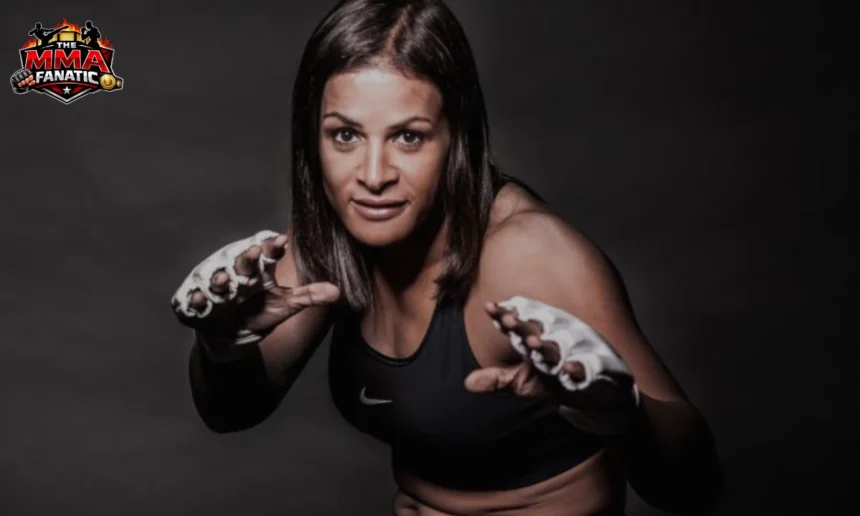
The emergence of the transgender MMA fighter marks a significant moment in the evolution of combat sports. Mixed Martial Arts (MMA), known for its raw intensity and technical diversity, is now also becoming a space where conversations about gender identity, inclusion, and fairness are unfolding. Transgender athletes entering MMA are not only competing for victories but also challenging long-standing norms, reshaping perceptions, and opening doors for broader acceptance in professional sports.
What is a Transgender MMA Fighter?
A transgender MMA fighter is a mixed martial arts athlete who identifies with a gender different from the sex they were assigned at birth and competes professionally or at an amateur level in the sport. These fighters train in multiple disciplines such as striking, grappling, and wrestling, just like any other MMA competitor, but their journey often includes navigating personal identity alongside athletic ambition. One of the most well-known examples is Fallon Fox, who became the first openly transgender woman to compete in professional MMA and brought global attention to the topic. Transgender MMA fighters represent a growing yet still limited group of athletes who are helping redefine inclusivity and diversity in combat sports while continuing to pursue excellence inside the cage.
What Does “Transgender MMA Fighter” Mean?
A transgender MMA fighter is an athlete who competes in mixed martial arts while identifying with a gender different from their assigned sex at birth. This identity may or may not involve medical transition processes such as hormone therapy or surgery. In the context of sports, this identity becomes particularly significant because it intersects with eligibility rules, physical performance standards, and societal perceptions, making their participation both complex and impactful.
Historical Background and First Major Breakthrough
The history of transgender participation in MMA gained mainstream attention with Fallon Fox, who became one of the first openly transgender fighters to compete professionally. Her career brought global focus to the issue, sparking both support and criticism. This moment served as a turning point, forcing athletic commissions and fans to confront questions about inclusion, fairness, and the evolving definition of gender in sports.
Evolution of Policies and Athletic Regulations
Over time, sports organizations have worked to establish clearer guidelines for transgender participation. Promotions such as Ultimate Fighting Championship and regional athletic commissions generally follow medical standards, particularly focusing on testosterone levels and transition timelines. These regulations aim to balance inclusivity with competitive fairness, though they continue to evolve as scientific understanding improves.
Physical Considerations and Performance Debate
One of the most discussed aspects of transgender fighters in MMA is the question of physical advantage. Critics argue that biological differences—such as bone density, muscle mass, and cardiovascular capacity—may provide an edge in certain cases. Supporters, however, point to hormone therapy’s significant effects in reducing these differences over time. The debate remains ongoing, with no universal consensus, making it one of the most complex issues in modern sports.
Transgender MMA Fighter Training, Discipline, and Fight Preparation
Like all MMA athletes, transgender fighters follow intense training routines that combine multiple martial arts disciplines. Their preparation typically includes striking techniques such as boxing and kickboxing, grappling arts like Brazilian jiu-jitsu and wrestling, as well as strength conditioning and endurance training. Beyond physical preparation, they also develop mental toughness, strategic thinking, and adaptability, which are crucial for success inside the cage.
Psychological Strength and Mental Resilience
The journey of a transgender MMA fighter often requires exceptional mental strength. In addition to the pressures of professional competition, these athletes frequently face public scrutiny, social stigma, and personal challenges related to identity. Overcoming these obstacles demands resilience, confidence, and a strong support system, making their achievements even more remarkable.
Transgender MMA Fighter Rules and Regulations
The rules for a transgender MMA fighter are set by athletic commissions and major organizations like Ultimate Fighting Championship to ensure both fairness and safety in competition. One of the most important requirements involves hormone regulation, where transgender women must maintain testosterone levels below a specific limit for a certain period before competing in female divisions. Fighters must also pass medical examinations, obtain licenses, and receive approval from governing bodies. Additionally, matchmaking is carefully handled to ensure fighters are evenly matched in terms of weight, skill, and experience. These rules may vary depending on the country or organization, which means there is no single universal standard followed worldwide.
Transgender MMA Fighter Complications and Challenges
Transgender MMA fighters face several complications that go beyond normal athletic challenges. One major issue is the ongoing debate about fairness, as some believe that physical differences may still provide an advantage even after medical transition, while others argue that hormone therapy effectively reduces these differences. Safety is another important concern because MMA is a high-impact sport where physical strength and endurance play a key role.
Media Attention and Public Perception
Media coverage plays a significant role in shaping public opinion about transgender fighters. While some narratives focus on controversy, others highlight courage and progress. Social media has amplified both support and criticism, creating a highly visible and sometimes polarized environment. As awareness grows, the conversation is gradually shifting toward understanding and respect.
Legal and Ethical Considerations
The participation of transgender athletes in MMA raises important legal and ethical questions. Athletic commissions must consider human rights laws, anti-discrimination policies, and athlete safety when forming regulations. Ethical debates often revolve around fairness versus inclusion, making it a delicate balance for governing bodies to maintain.
Safety Concerns in Combat Sports
Unlike many other sports, MMA involves direct physical contact, which intensifies concerns about safety. Critics worry about mismatches in strength or durability, while regulatory bodies emphasize medical testing and matchmaking standards to ensure fair competition. Proper oversight is essential to protect all fighters, regardless of gender identity.
Representation and Role Models
Transgender MMA fighters serve as powerful role models for many individuals around the world. Their visibility helps normalize gender diversity in sports and encourages others to pursue their passions without fear. Representation in such a physically demanding and traditionally male-dominated sport sends a strong message about courage and authenticity.
Transgender MMA Fighter Social Impact and Cultural Shift
The inclusion of transgender fighters in MMA reflects a broader cultural shift toward acceptance and diversity. It challenges stereotypes, encourages dialogue, and promotes inclusivity not only in sports but also in society at large. This transformation, while gradual, is reshaping how people understand gender and competition.
Comparison with Other Sports
Compared to sports like athletics, swimming, or weightlifting, MMA presents unique challenges due to its combat nature. While many sports have adopted clear transgender policies, MMA is still refining its approach. The physical intensity and one-on-one competition make regulatory decisions particularly sensitive and complex.
Future Opportunities and Growth
As awareness and acceptance continue to grow, more transgender athletes may enter MMA at amateur and professional levels. Improved policies, better education, and increased representation could create a more inclusive environment. The future of transgender MMA fighters will likely depend on continued dialogue, scientific research, and evolving social attitudes.
Lesser-Known Facts
- Her story has been featured in multiple sports discussions, documentaries, and interviews worldwide.
- Fallon Fox began her professional MMA career in her mid-30s, which is later than many fighters typically start.
- Before entering MMA, she served in the U.S. Navy, showcasing a disciplined and structured background.
- She publicly came out as transgender in 2013, after already beginning her fighting career.
- Fallon Fox has a background in Brazilian jiu-jitsu, which played a key role in her fighting style.
- Her MMA career record stands at 5 wins and 1 loss, with most victories coming by stoppage.
- She faced significant media attention and controversy, making her one of the most talked-about figures in MMA history.
- Despite criticism, she has been a strong advocate for transgender rights and inclusion in sports.
Conclusion
The story of the transgender MMA fighter is one of courage, complexity, and transformation. These athletes are not only competitors but also pioneers navigating uncharted territory in modern sports. While debates around fairness and safety continue, their presence is undeniably shaping the future of MMA. As the sport evolves, it has the opportunity to become more inclusive while maintaining its core values of discipline, respect, and competition.
FAQs
What is a transgender MMA fighter?
A transgender MMA fighter is an athlete who competes in mixed martial arts and identifies with a gender different from their birth-assigned sex.
Who is a famous transgender MMA fighter?
One of the most well-known examples is Fallon Fox.
Are transgender fighters allowed in MMA?
Yes, they are allowed, but they must follow strict rules related to hormone levels and medical eligibility set by organizations.
Do transgender fighters have any advantage?
This is debated; some believe there may be advantages, while others say hormone therapy reduces those differences significantly.
Is transgender participation common in MMA?
No, it is still relatively rare, but awareness and participation are gradually increasing.
Also Read About: Joe Rogan Net Worth: Full Biography, Income Sources, UFC Career, Lifestyle, and Complete Wealth Breakdown